Why Contemporary Roof Lanterns Are Essential for Modern Homes
Modern roof lanterns have proved to be key components in up-to-date homes. They contribute to boosting natural light, producing inviting areas that blend interior and exterior environments. Beyond aesthetic value, these structures extend energy savings that can facilitate budget relief. As homeowners investigate novel ideas to develop their living spaces, the relevance of roof lanterns becomes increasingly noteworthy. What are the principal advantages and categories that make them a fitting choice for today's residences?
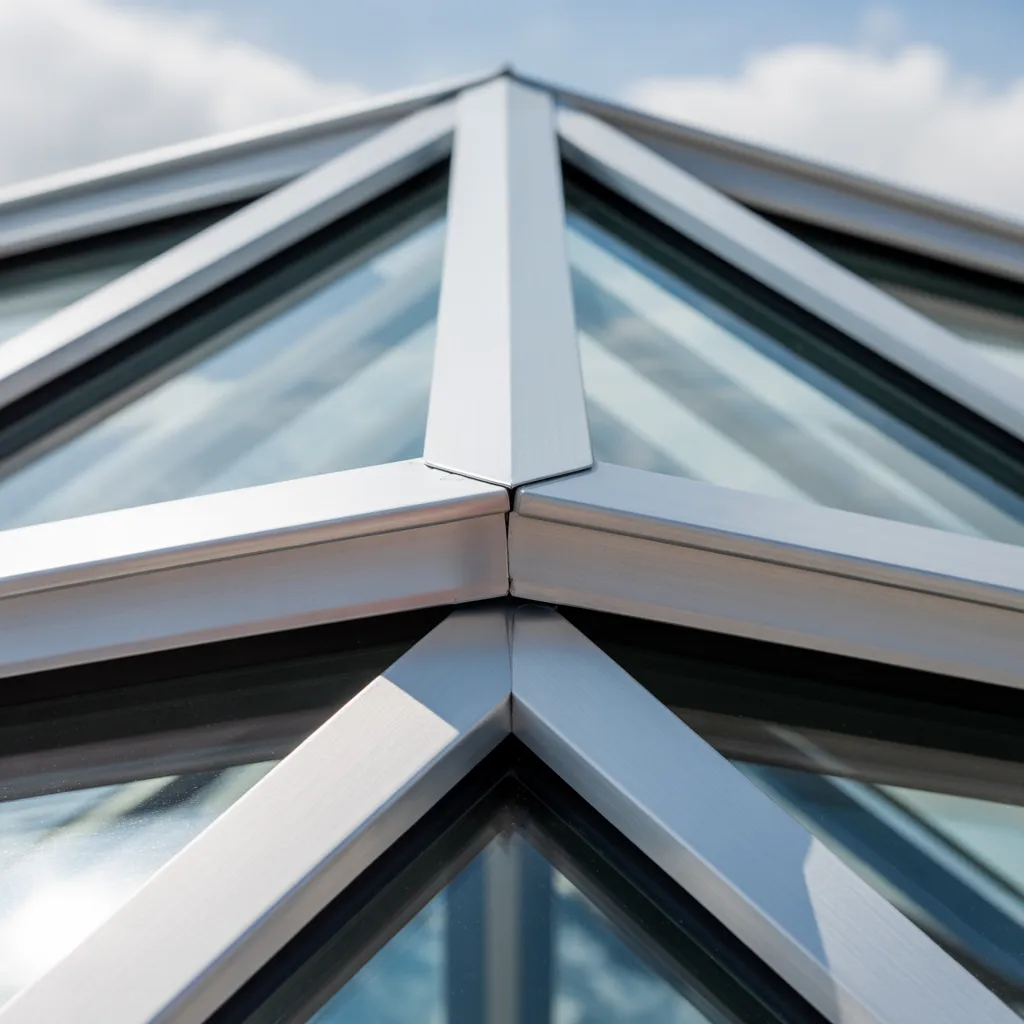
The Positive Effects of Natural Light in Your Living Space
While many homeowners pursue ways to upgrade their living spaces, the perks of natural light often go unnoticed. Natural light has a substantial impact on the ambiance and usefulness of a home. It not only illuminates spaces but also produces an appealing atmosphere, nurturing a sense of health. Immersion to sunlight is known to lift mood and energy levels, making rooms feel more energetic and alive.
Furthermore, sunlight can reduce reliance on electric lighting, leading to possible energy savings. It helps in accentuating architectural features and decor, improving the overall aesthetic appeal of a home. Additionally, sunlight can enhance indoor air quality, as it encourages ventilation when windows are opened. By embracing sunlight, homeowners can create balanced spaces that support comfort and health, ultimately transforming the way they experience their living environments.
How Roof Lanterns Boost Space and Design
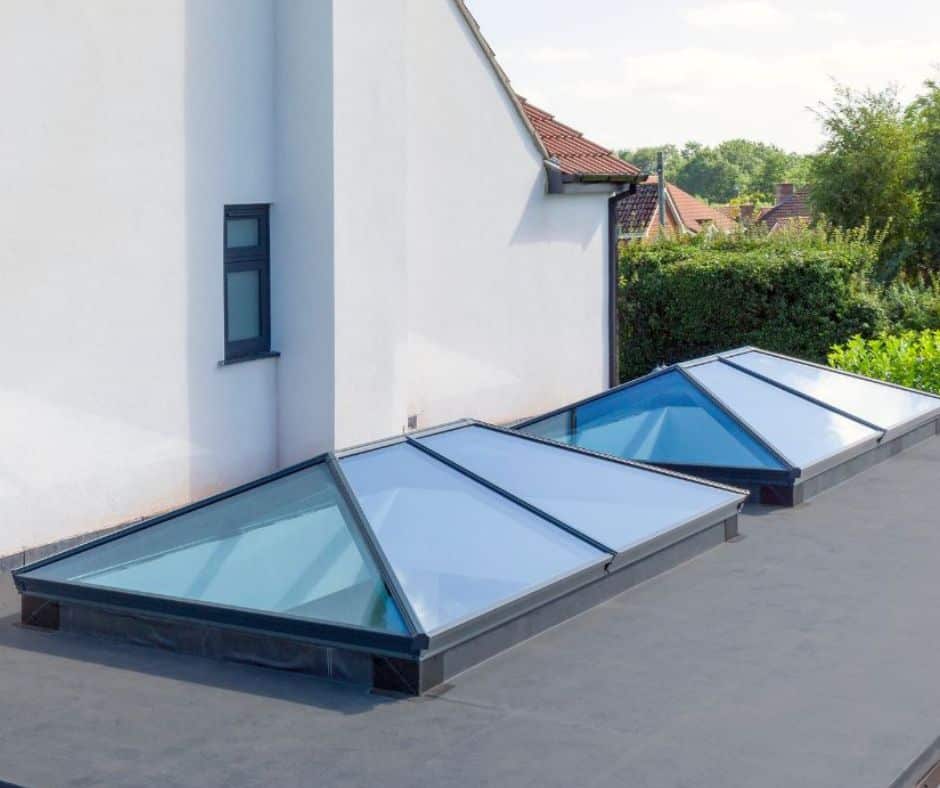
Roof lanterns considerably enhance space and aesthetics in present-day homes. By enabling generous natural light to seep deep into living areas, these structural elements create a sense of openness and spaciousness. This influx of light not only lightens interiors but also showcases design elements, making rooms look more inviting and airy.
Additionally, roof lanterns act as remarkable design elements, bringing a degree of beauty and elegance to modern spaces. Their refined lines and assorted designs, ranging from restrained to ornamental, can work with a selection of aesthetic directions. The combination of brightness and darkness formed by roof lanterns further amplifies the sensory impression, emphasizing material aspects and pigments in the environment.
Along with their design contributions, roof lanterns can seamlessly unite see this indoor and outdoor settings, instilling a sense of unity. This ideal combination of style and functionality makes roof lanterns an essential component in the creation of modern homes.
How Roof Lanterns Reduce Energy and Expenses
By increasing natural light, skylight installations greatly reduce the need for artificial lighting, leading to significant energy savings. This influx of daylight not just illuminates interiors but also diminishes reliance on electricity, especially during daytime hours. As a result, homeowners can enjoy lower utility bills while supporting a more sustainable environment.
Additionally, roof lanterns can boost energy efficiency. Many current designs incorporate double or triple glazing, which helps maintain heat during colder months and reduce heat gain in the summer. This temperature management can decrease the demand for heating and cooling systems, further cutting energy costs.
Additionally, the visual beauty of roof lanterns can boost a property's market value, making them a wise investment. Overall, the blend of reduced energy consumption and sustained economic advantages illustrates why roof lanterns are an crucial addition for contemporary homes.
The Best Roof Lantern Options for Your Home
Picking the right style of roof lantern can dramatically enhance both the visual appeal and functional elements of a contemporary home. Different styles serve diverse architectural preferences. For example, traditional pyramid-shaped lanterns provide a timeless elegance, while flat or pitched shapes can complement minimalist aesthetics. Skillion lanterns, with their sloped roofs, deliver a modern twist, allowing for ideal light diffusion.
Furthermore, the selection of materials plays a considerable role. Aluminum frames are popular for their durability and modern appearance, whereas wooden frames can bring warmth and character. Adjustable features, such as size and glazing, enable homeowners to tailor lanterns to their particular needs.
In addition, geometric designs, including octagonal or hexagonal shapes, can create a striking focal point, strengthening both natural light and visual interest. Ultimately, selecting the right roof lantern style not only upgrades the home's design but also boosts its functional benefits.
Putting in Roof Lanterns: A Tutorial
Roof lantern installation requires a clear understanding of essential tools and a sequential process. Thorough preparation guarantees a successful installation, boosting both aesthetics and utility. This section outlines the necessary equipment and detailed directions for achieving ideal results.
Necessary Tools Required
A range of important tools is necessary for the proper installation of roof lanterns. First, a measuring tape ensures correct dimensions for the lantern and the roof opening. A spirit level is critical for verifying that the lantern will sit evenly. A power drill, along with appropriate drill bits, is necessary for creating holes for screws and fittings. Additionally, a saw, commonly a circular saw, may be needed for cutting the roof structure if modifications are necessary. Safety gear, including gloves and goggles, is also crucial to protect the installer. Finally, a silicone sealant gun is important for applying waterproof sealant around the edges, ensuring a secure and weatherproof installation. Each tool plays a significant role in achieving a professional finish.
Step-By-Step Deployment Walkthrough
Start the installation of roof lanterns by preparing the workspace and making sure all tools are ready. Begin by taking off the existing roof material with care to avoid any harm to the surrounding area. Then, install a support frame, ensuring it is flat and properly fixed to the roof structure. Once positioned, install a waterproof membrane to stop leaks. Place the roof lantern onto the frame with precision, aligning it properly. Fasten the lantern using screws or brackets as directed by the manufacturer. After installation, inspect for gaps and fill them with suitable weatherproofing materials. Finally, replace any surrounding roofing material, ensuring a seamless finish. Maintain the installed lantern for optimal light transmission and admire the transformation.
Care Ideas for Long-Lasting Roof Lanterns
Preserving roof lanterns effectively is essential for assuring lifespan and sustaining capability. Establishing a planned maintenance schedule, working alongside periodic inspections of seals and joints, prevents degradation. Additionally, applying mild cleaning agents proves critical for avoiding damage to the substances.
An established cleaning regimen
How often should homeowners clean their roof lanterns to ensure optimal clarity and longevity? Regular cleaning is crucial to preserve the aesthetic and functional aspects of roof lanterns. Experts recommend a twice-yearly cleaning schedule, ideally in spring and autumn. This ensures that any accumulated dirt, debris, or stains are thoroughly eliminated before they become more difficult to manage. Homeowners should use a soft cloth and a gentle cleaner to avoid scratching the glass surface. It's also beneficial to inspect for any evidence of mold or mildew during cleaning, as these can impact both appearance and performance. By adhering to this cleaning routine, homeowners can extend the lifespan of their roof lanterns and enjoy continuous natural illumination in their contemporary spaces.
Evaluate Seals and Joints
Regular inspections of seals and joints are vital for the lasting quality of roof lanterns. Over time, these key components can deteriorate due to environmental factors, leading to possible leaks and structural damage. Homeowners should perform inspections at least twice a year, focusing on any signs of damage, such as cracks or gaps. Promptly resolving these issues can stop water ingress and protect the structure of the lantern. Additionally, applying correct sealants can improve their performance and lifespan. This proactive approach not only safeguards the roof lantern but also helps the overall energy efficiency of the home. Ensuring that seals and joints are in peak condition is a crucial aspect of roof lantern maintenance.
Steer Clear of Strong Chemicals
Proper attention of roof lanterns extends beyond evaluating seals and joints; it also involves mindful cleaning practices. To promote longevity, it is essential to avoid severe chemicals that can damage the elements of the lantern. Strong detergents and abrasive cleaners may cause scratches or degrade the surface over time. Instead, a gentle mixture of warm water and mild soap is recommended, allowing for safe cleaning without risking harm. Use soft cloths or sponges to avoid scratching the glass or frame. Regular maintenance with appropriate cleaning methods will help protect the aesthetic and functional qualities of roof lanterns, guaranteeing they remain a beautiful feature of contemporary homes for years to come.
Roof Lantern Upgrades: Authentic Examples
Redesigning a space with a roof lantern can significantly improve both visual appeal and practicality in contemporary homes. One striking illustration is a London-based family that substituted a traditional skylight with a elegant, contemporary roof lantern in their kitchen. This enhancement filled the space with sunlight and also generated a remarkable design element that operates as a conversation starter.
Another case saw a minimalist home in Sydney install a large roof lantern above an open-plan living area, seamlessly blending indoor and outdoor environments. This design choice not only refined energy efficiency but also granted stunning views of the night sky.
In addition, a refurbished Victorian house in Manchester presented a geometric roof lantern that stood out strikingly with the original architecture, accentuating the harmony between old and new. These actual case studies demonstrate how roof lanterns can redefine spaces, making them more inviting and visually appealing while maximizing natural light.
Regularly Asked FAQs
Can Roof Lanterns Be Fitted on All Types of Roofs?
Roof lanterns can be perfect for various roof types, such as flat, pitched, and vaulted roofs. However, adequate installation and design factors are essential to guarantee proper operation and attractive appearance across different building designs.
Can skylight installations be added in existing homes?
Roof lanterns can definitely be installed in existing homes, as long as structural soundness and design factors are addressed. Expert evaluation guarantees compatibility with the current roof structure, improving natural light and aesthetic appeal without jeopardizing safety.
What Substances Do Roof Lanterns Usually Consist Of?
Roof lanterns are typically made from materials like aluminum, glass, and polycarbonate. Aluminum provides robust durability, while glass allows for natural light, and polycarbonate provides lightweight and impact-resistant options, providing versatile functionality.
Do Roof Lanterns Need Planning Permission?
Roof lanterns generally do not require planning permission if they adhere to specific guidelines, such as size and location. However, regulations can vary by area, so consulting with local authorities is recommended for clarity.
What is the performance of roof lanterns during extreme weather conditions?
Roof lanterns are constructed to handle extreme weather, offering durable materials and robust construction. Proper fitting and upkeep strengthen their performance, ensuring they withstand heavy winds, rain, and snow while maintaining structural integrity and aesthetics.